


Forms of Dance
~ What We Teach ~
Select a Genre Below

Students focus on the use of balance, flexibility, controlled counterbalance, rhythm & timing with music. Students need to be in a Ballet or Jazz technique class.
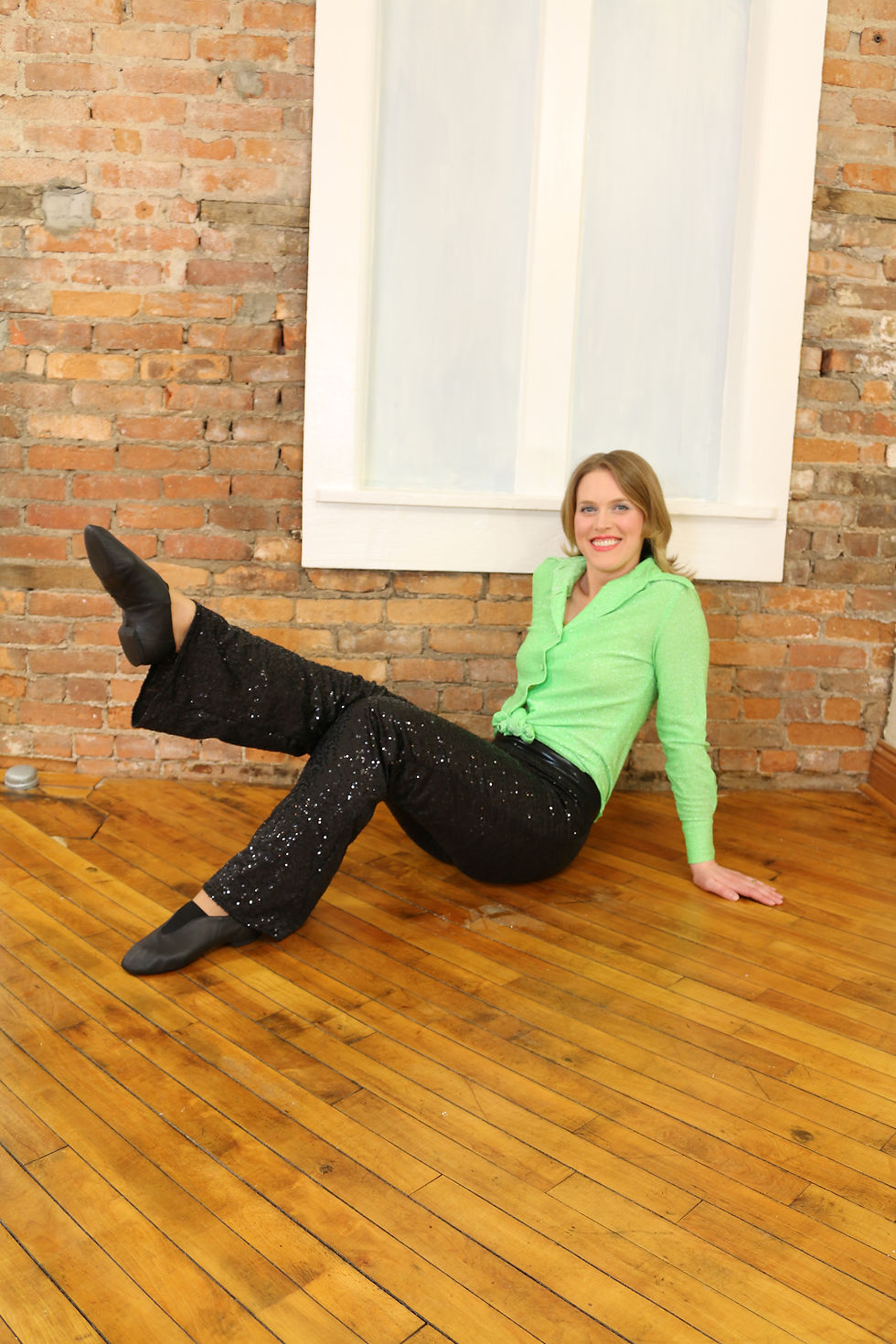
Adults are welcome at DWHS. Sometimes adults can join teen classes. Zumba, Yoga, Adult Jazz, or Adult Tap are also options. These classes will be available based on interest.

Ballet is the basic technique for all dance disciplines. It is taught slowly and carefully to develop core strength, flexibility and coordination. Ballet class helps students develop mental and physical discipline. Children usually begin graded ballet classes at age 5 or 6.

This dance, related to Hip Hop music, includes break dancing, locking, popping, and more. It is one of the hardest dance forms to master. It appears easy but requires a strong, quick, technically trained body. Students can start this discipline as early as age 8.

Jazz is a form of dancing born in America. Styles include Swing, Boogie-Woogie, African, Hip Hop, Lyrical, Contemporary, Musical Theatre, Funk, Disco and more. Jazz classes include technique and expressive dance movement.

A fusion of ballet and Jazz which expresses dance through the lyrics of a song. Previous and ongoing ballet and/or Jazz technique class is required.

Modern is a dance form that refuses the ideals of classical Ballet technique and codification and instead focuses on concepts of torso contract and release, floor work, fall and recovery, and improvisation. It is often performed barefoot and with non-traditional costuming. Encompassed within Modern is Contemporary, a blend of Modern and Jazz.

This class involves dancing, acting and singing. Stage presence and personality are stressed. Students need to be in a ballet or Jazz technique class.

Lessons are available to couples who wish to learn social dance. Wedding parties sometimes enjoy a theme dance (Ballroom, Hip Hop, Thriller, etc.)

Offers students rhythm skills and body movement while making sounds with the feet. Tap classes tend to be quick moving. Students can start this discipline as early as age 5.

For children ages 3-4 that are able to be in a class without an adult. Children are introduced to dance movement with songs, exciting music, games and props. Basic elements of ballet and acrobatics are introduced.

Intro to dance for children 2-3 who are not ready for a class by themselves. A guardian or caregiver must stay in the studio with the child. Children are introduced to dance movement through fun, games, and music.